Tag: Bee Plants
-
Snowdrops
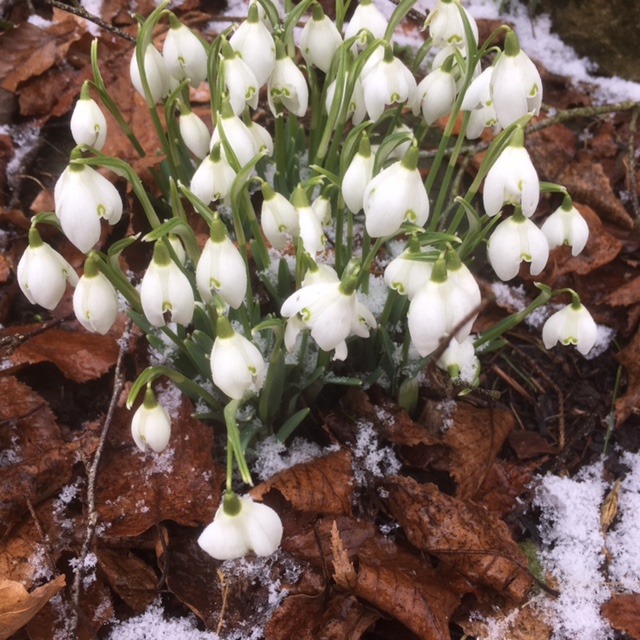
Snowdrops are the harbingers of spring. As they start to poke their noses through the cold winter ground in November and December, it’s a message to gardeners that spring is around the corner. The little winter flowering bulbs push through the soil and start to grow tall, their elegant nodding flowers are soon a splash…
-
-
-
-
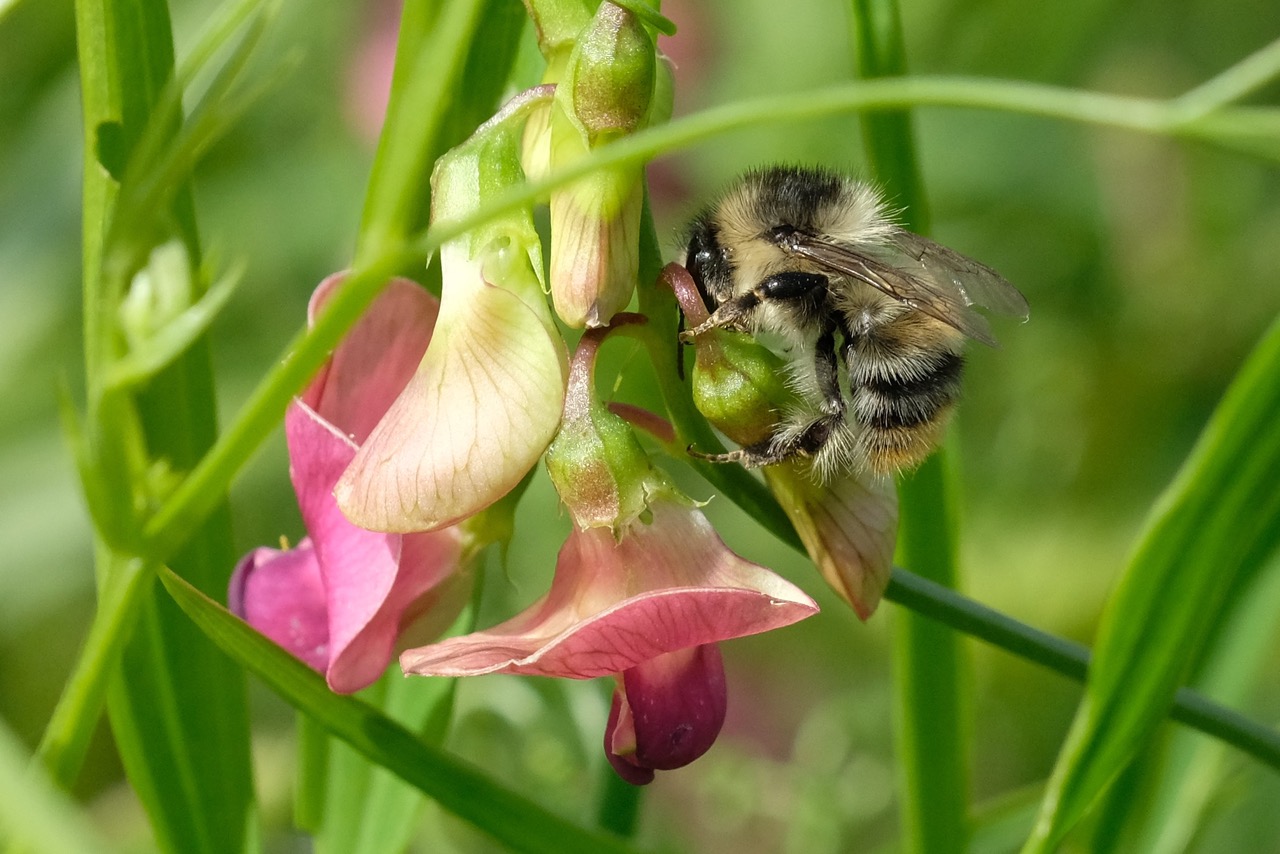
Shrill Carder Bee
There are a fair few rare bee species, with some literally on the brink of extinction, but few more so than the Shrill Carder Bee (Bombus sylvarum).
-
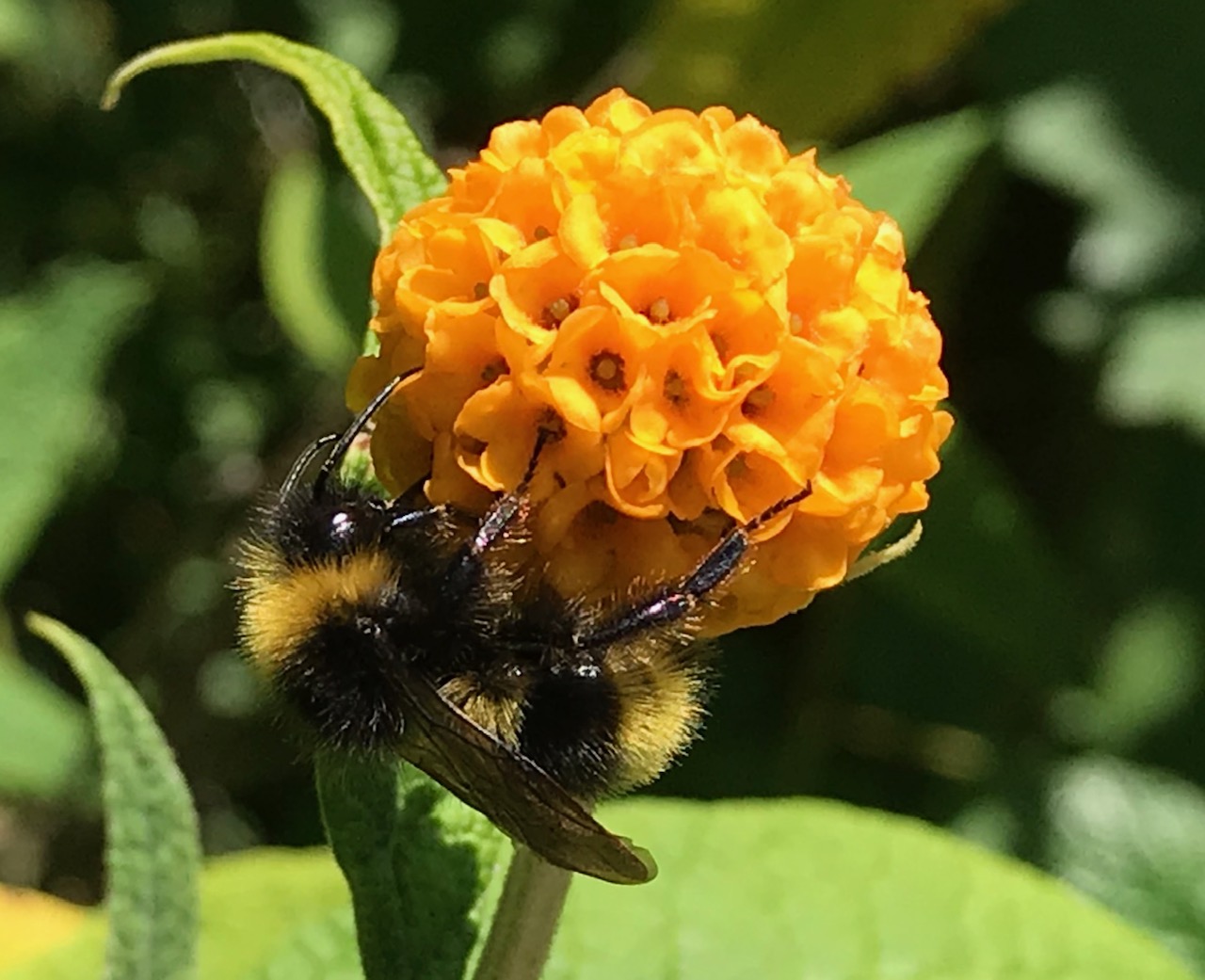
Orange Ball Buddleia
Buddleia globosa is a magnet for butterflies, bees and all pollinators that rely on nectar to fuel their activity.
-
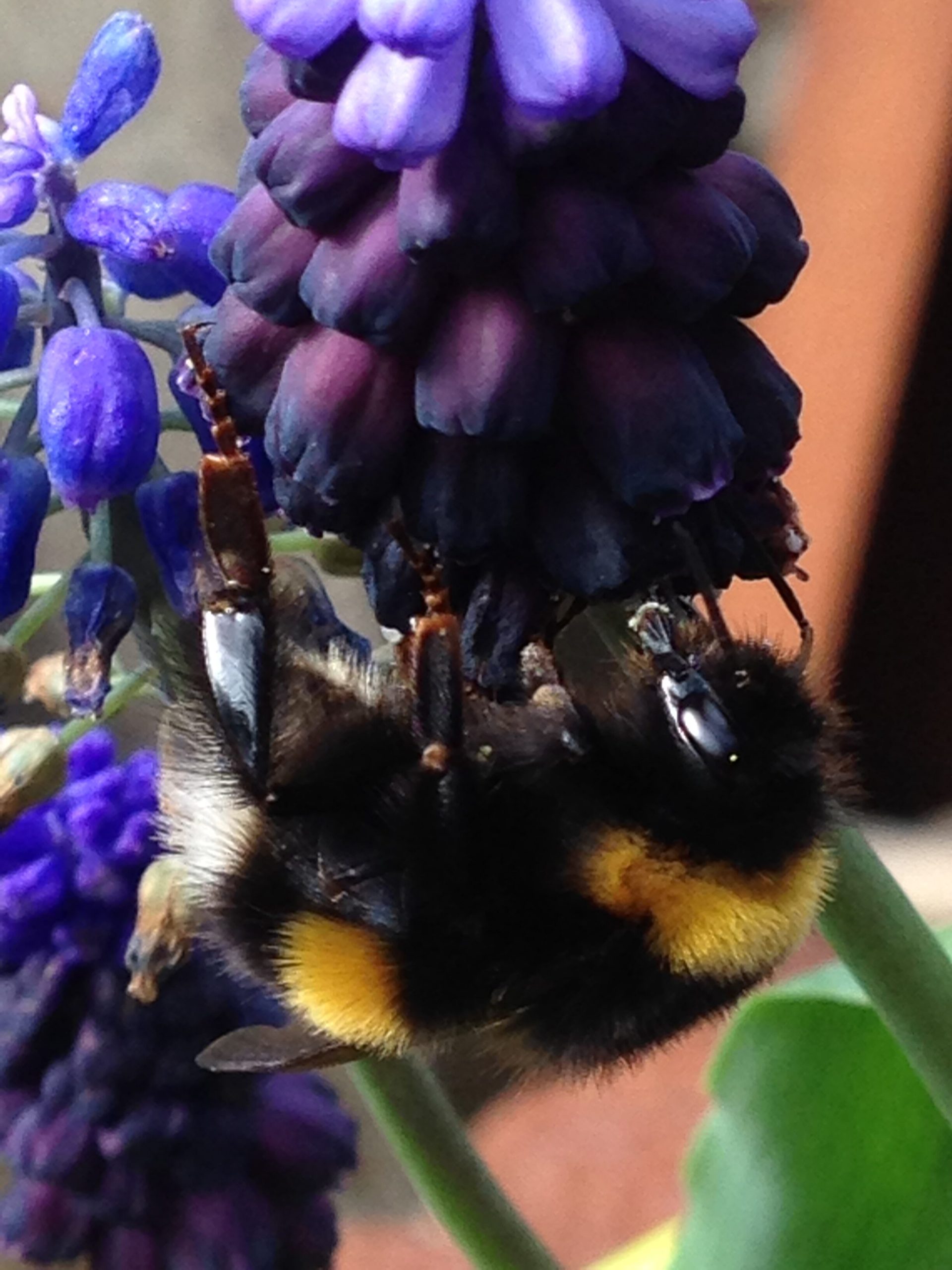
White-tailed Bumblebee
As spring starts in earnest you will start to see large, fluffy bees bombing around your gardens. You might hear them first as they resemble low flying helicopters as they navigate their way around foraging for food and surveying for a suitable nest site.
-
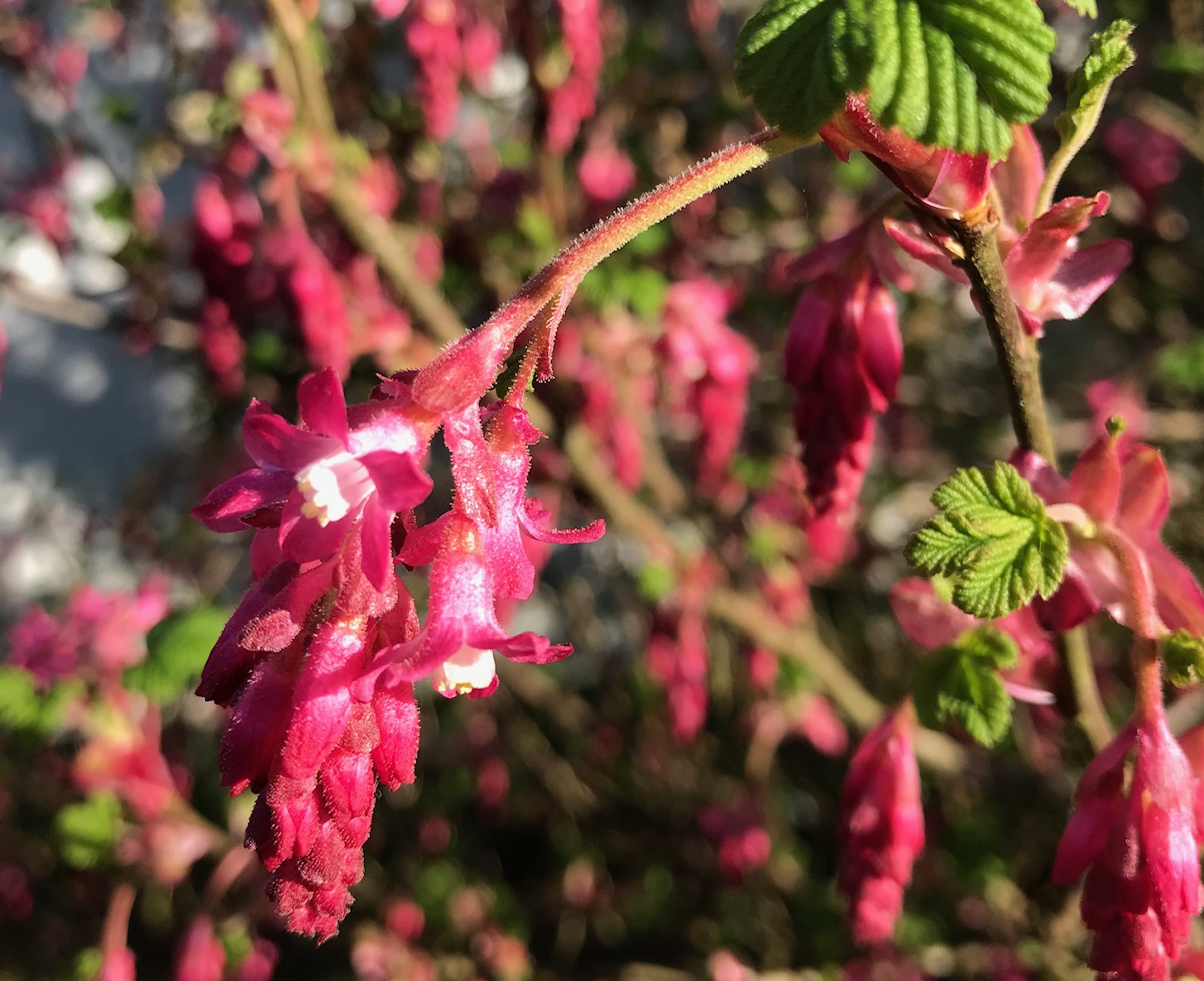
Flowering Currant
(Ribes sanguineum) It’s not just perennials and spring flowering bulbs that are great bee plants, garden shrubs play an important role too. You need to look at the plant as a whole, especially when it is an established specimen. Flowering currants are a great bee plant. Take a close look at each cluster of rich…
-
Early Bee Plants
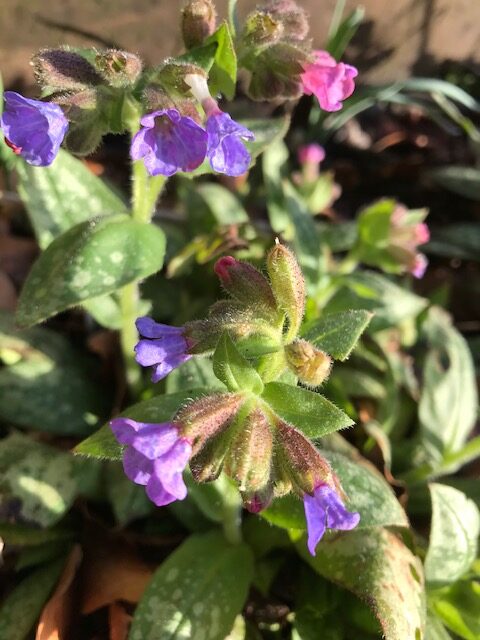
What’s in flower for emerging bees in your garden? This is a critical time in bee world, late winter flowers are a vital food source Take a look around your garden? Are your crocuses flattened after the storms? Or have you still got drifts of snowdrops in flower? February and March are a tricky time…
-
Signs of Spring
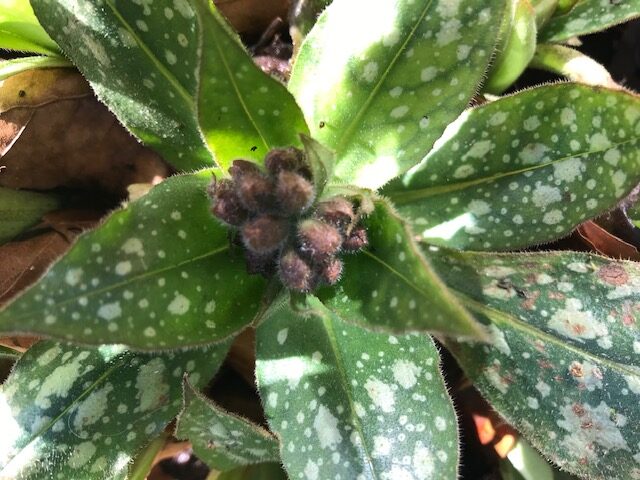
The garden is starting to stir. The light is growing, the buds are swelling and the plants are sprouting into growth